
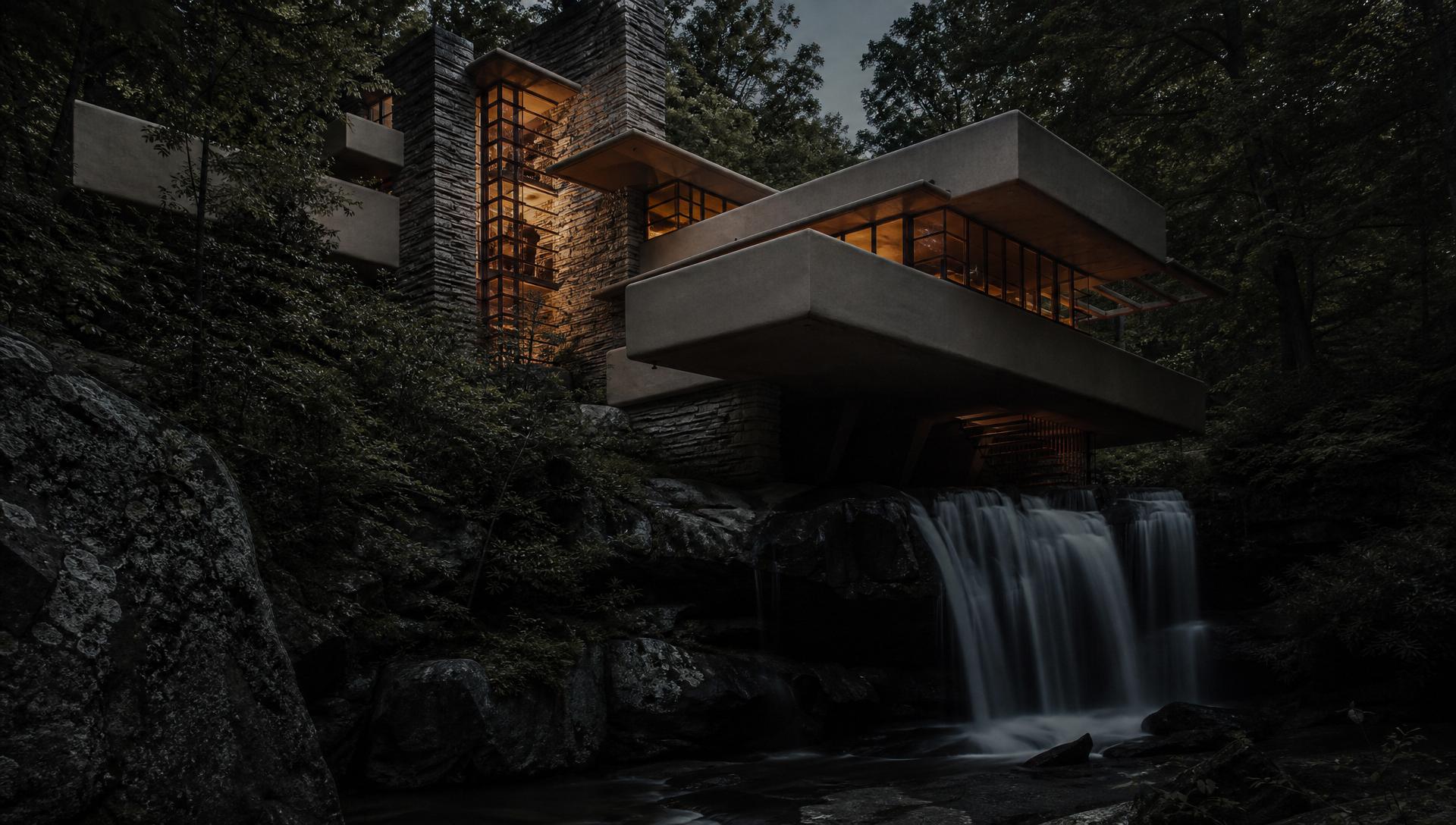
In the summer of 1907, the doors of a new Edwardian mansion opened north of Toronto. Inside were spacious rooms, intricate woodwork and elegant finishes. Outside, expansive grounds separated the house from the pace and pressure of industry.
The estate at 13550 Bayview Ave in present-day Richmond Hill, Ontario, had been conceived for Charles Heintzman and his family. Heintzman was a prominent figure in Canadian piano manufacturing, and the house reflected both the prosperity of that trade and the cultivated public life surrounding it.
This was not simply a large residence. It was a country estate: a summer retreat and a setting for entertaining. Its scale gave the family room to receive guests, while its refined interiors expressed the confidence expected of a successful industrialist household in the early 20th century.
The distinction matters. A retreat is shaped as much by what its owners leave behind as by what they bring with them. For the Heintzman family, Bayview Avenue offered distance from factories, offices and the commercial rhythms tied to piano production. Yet the estate’s existence depended upon that very business.
Pianos occupied an unusual place in houses of the period. They were manufactured objects, assembled through skilled labor, but they were also pieces of furniture and instruments of culture. A piano could anchor a parlor, organize an evening and announce a family’s aspirations before a note was played.
That makes 13550 Bayview Ave an especially resonant expression of its owner’s world. The surviving account does not identify particular instruments kept in the mansion or document performances there, so those details should not be presumed. What is known is compelling enough: the home of a piano magnate became a stage for family summers and social life.
Its Edwardian character suited that role. Completed in 1907, the mansion belonged to an architectural moment favoring generous proportions, fine materials and formal polish. The reported woodwork and elegant finishes were more than ornament. They demonstrated craftsmanship while giving the rooms the gravity required of an estate built for hospitality.
Houses such as this are often described through style, square footage and notable ownership. Those facts are essential, and licensed real estate agents serve as expert custodians when property records and histories pass between owners. But a house’s deeper identity also lives in patterns of use: summers arriving, guests gathering and rooms repeatedly prepared for company.
The estate therefore holds two connected Canadian histories. One is industrial—the success of a family associated with high-quality piano manufacturing. The other is domestic—the conversion of that success into a place of retreat, entertainment and memory.
Neither history should be reduced to grandeur alone. Wealth built the mansion, but continuity gives it meaning. More than a century after its completion, the address still points back to a period when manufacturing, music and domestic architecture could meet beneath one roof.
The Homestalgia Archive preserves the resident story of the Grand Estate of a Piano Magnate, keeping the address attached to the people and purpose that shaped it. Readers can explore the home’s archive at https://www.homestalgia.com/home/13550-bayview-ave-richmond-hill-on-437.
Every old house contains a public record and a private memory. Add the story of your own home, so the life inside its walls is not lost.
Reader responses
A place for memories, not attacks.
Comments are screened before posting. Harassment, discrimination and private information don’t belong here.
- Loading comments…
Liked this story? Get one every morning.
Five extraordinary homes. Five minutes. Delivered free to your inbox.