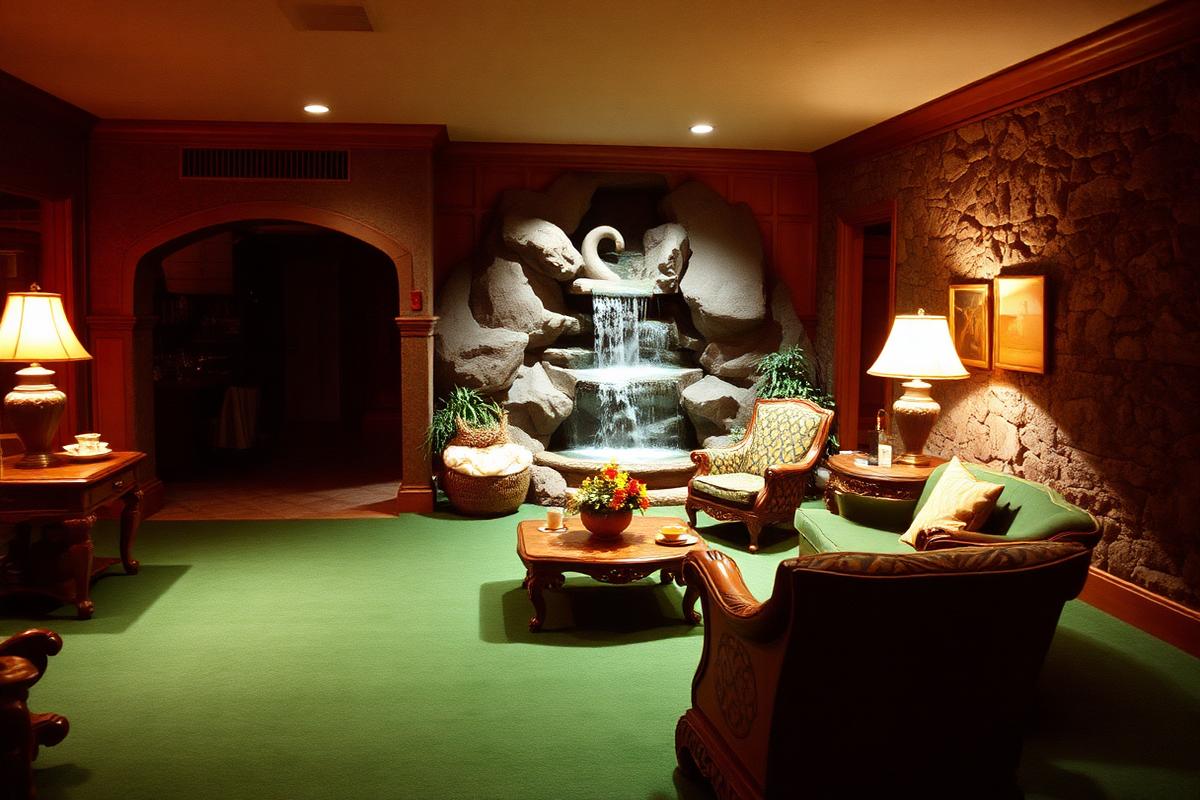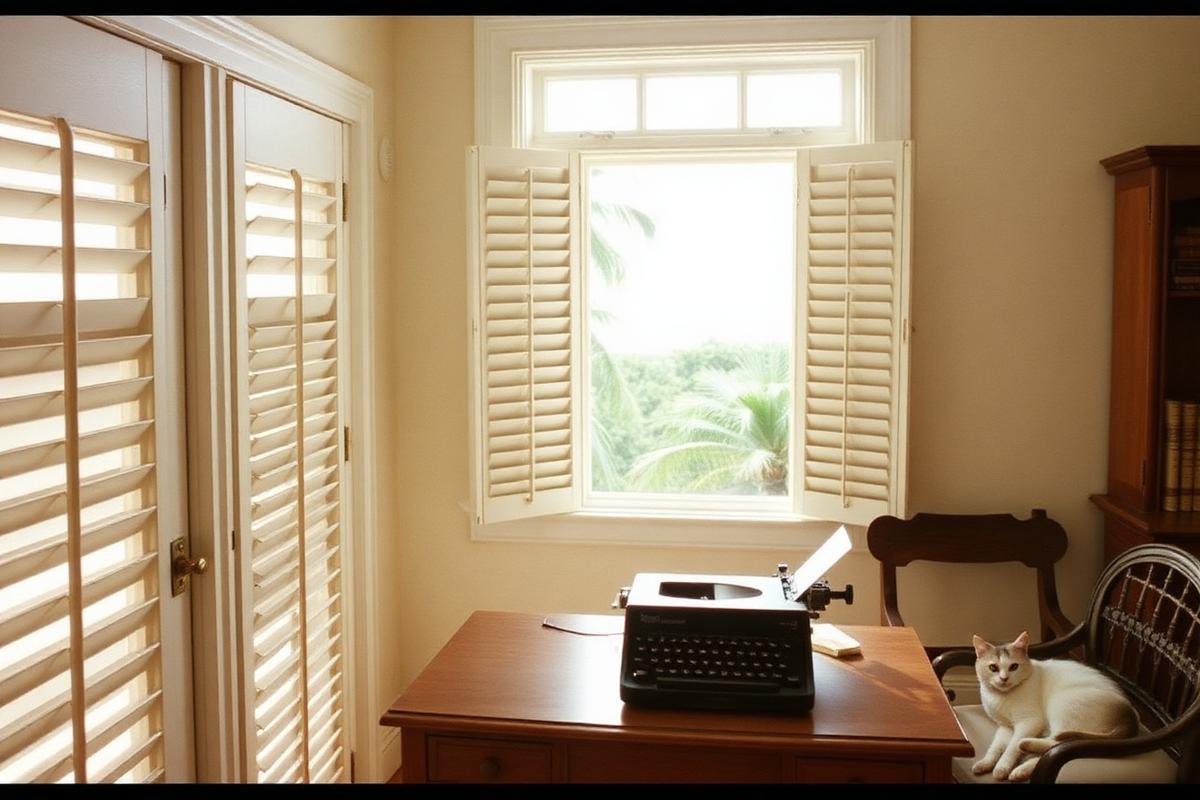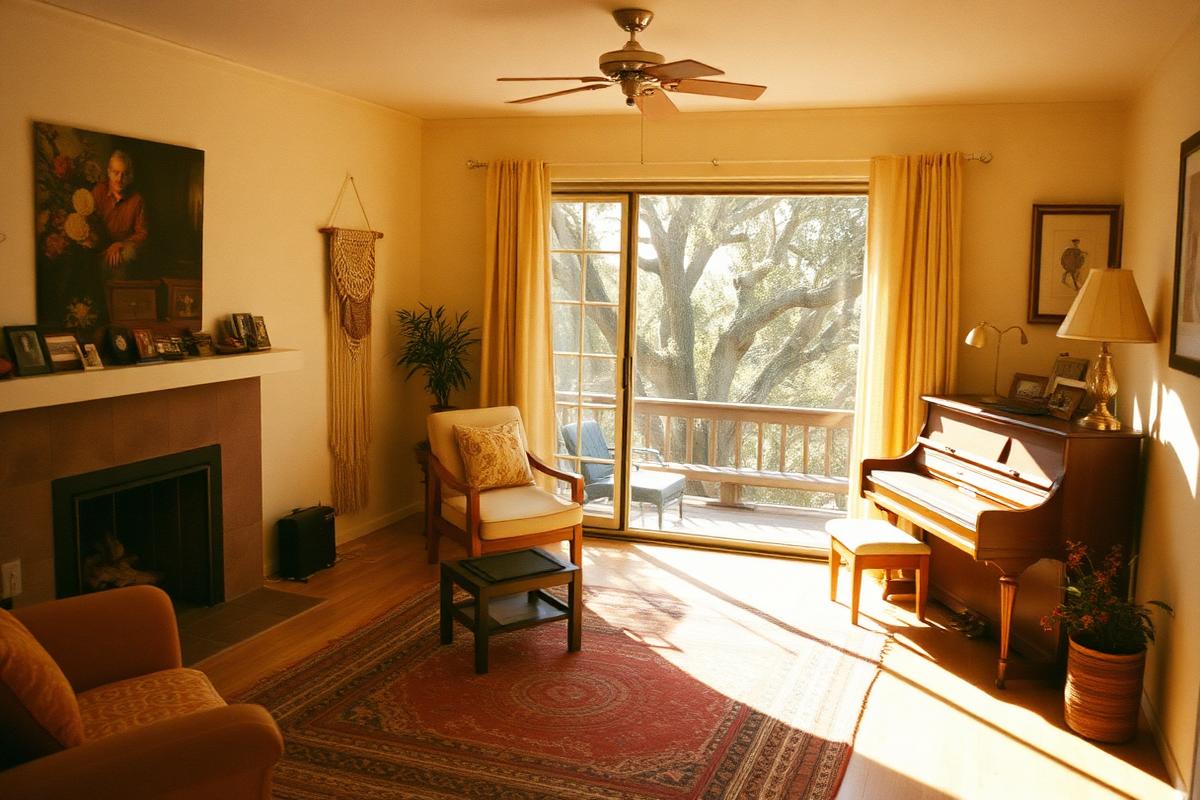
Laurel Canyon in the mid-seventies was less a neighborhood than a shared hallway. Houses clung to the hillside on stilts, doors stayed unlocked, and the same dozen musicians drifted between kitchens at two in the morning. The canyon's sound — close-miked, unhurried, a little melancholy — came out of rooms exactly this size.
The story of "Dreams" is famous because it is so small: a room with a piano, a black-lacquer day, a woman writing about the end of a relationship while the person on the other side of it was down the hall making a record. Nothing about the house was grand. That is the point. Rooms don't need to be grand to hold the thing everyone remembers.
What Homestalgia cares about is not the celebrity. It's that a floor plan can be evidence. The window that faced the eucalyptus. The distance between the piano bench and the door. Those details are what people describe forty years later, and they are the details a listing sheet has never once recorded.
Memories attached to this place
“You could hear whoever was rehearsing three houses down. Nobody complained. It was the closest thing to a radio station the canyon had.”
“The stairs up from the road were so steep we carried a Hammond organ in pieces, one man per drawbar.”
“My mother rented the guest room out for forty dollars. She never once asked what any of them did for a living.”
Timeline
- 1910sCanyon subdivided as a weekend retreat from downtown Los Angeles.
- 1965Musicians begin renting the cheap hillside cottages en masse.
- 1976"Dreams" is written in a canyon living room in roughly ten minutes.
- TodayMost of the houses still stand; nearly none of the stories are recorded.
A hit song is a property record nobody thought to keep.