
Seventy houses that made history
Not the architecture press version — the version the neighbors tell. One rotates onto the Homestalgia home page every Monday.

The same family that commissioned Fallingwater came to the desert.
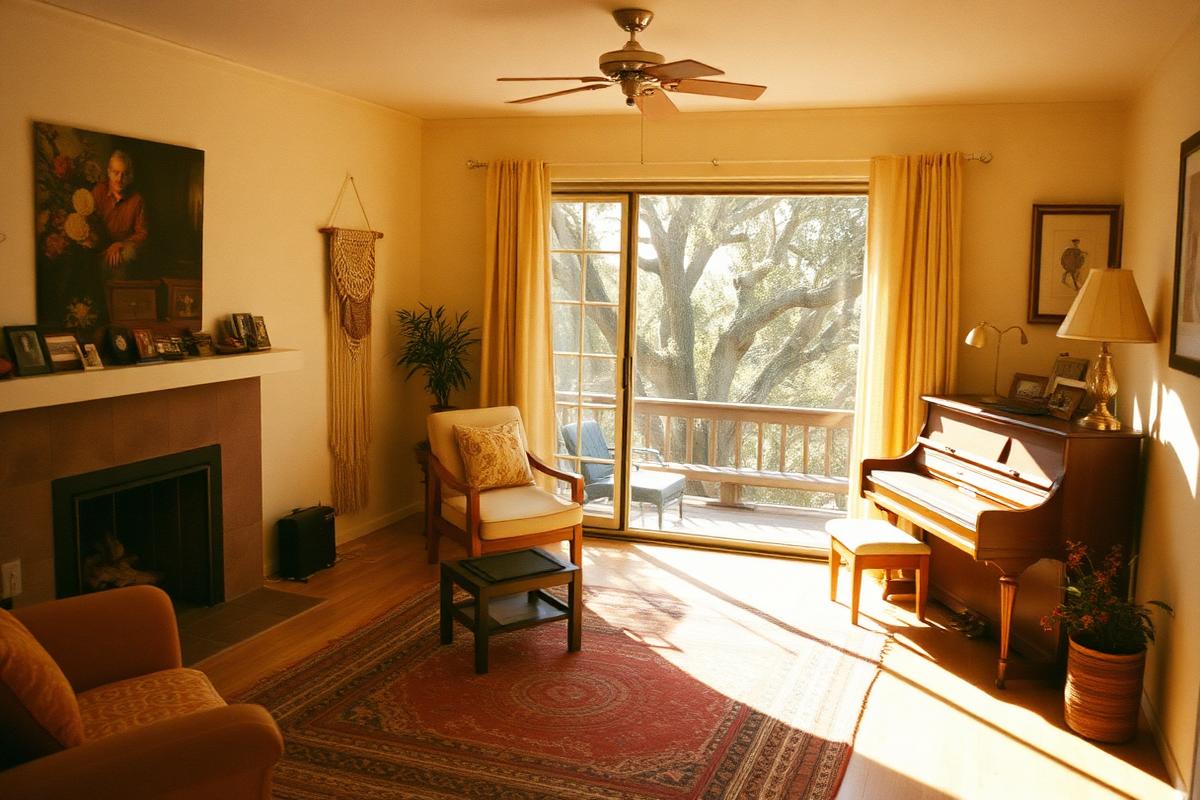
Ten minutes at a borrowed piano in a canyon house, and the biggest song on the record was finished before the coffee went cold.
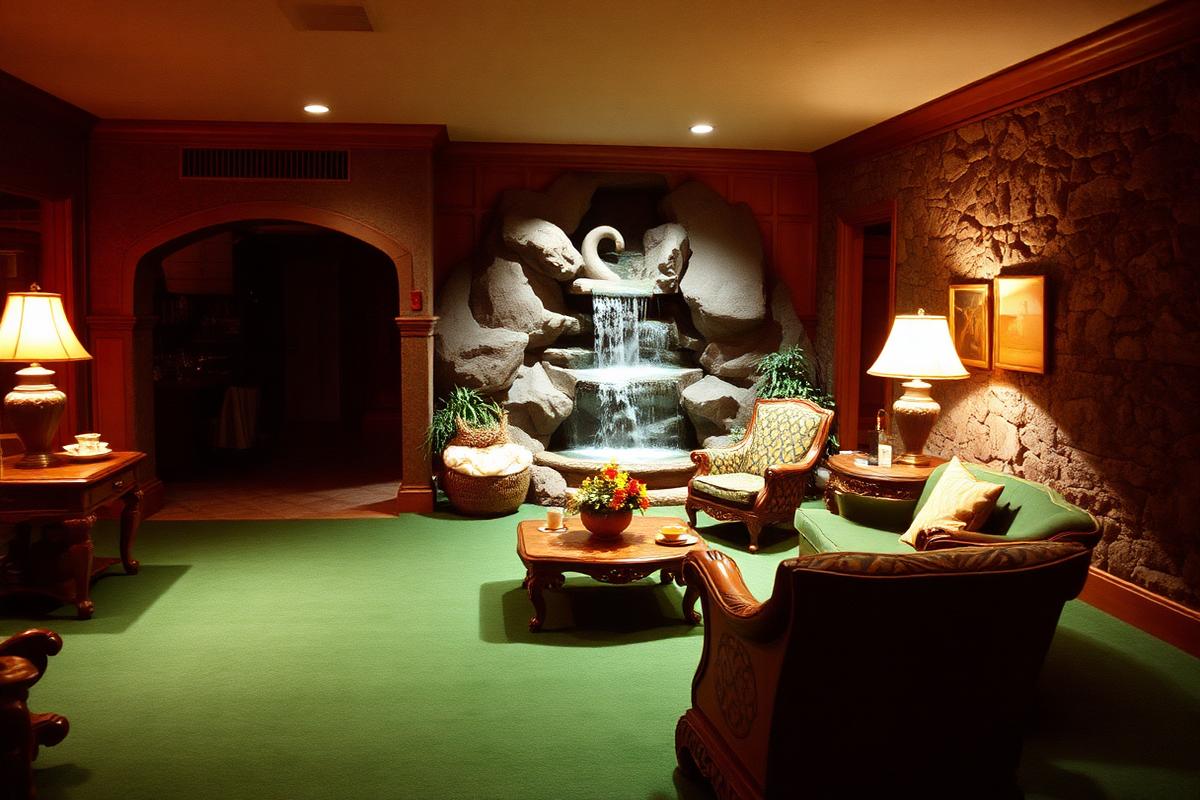
A boy from a two-room shotgun house bought his mother a mansion at twenty-two, and then made the loudest room in it the one with green carpet on the ceiling.
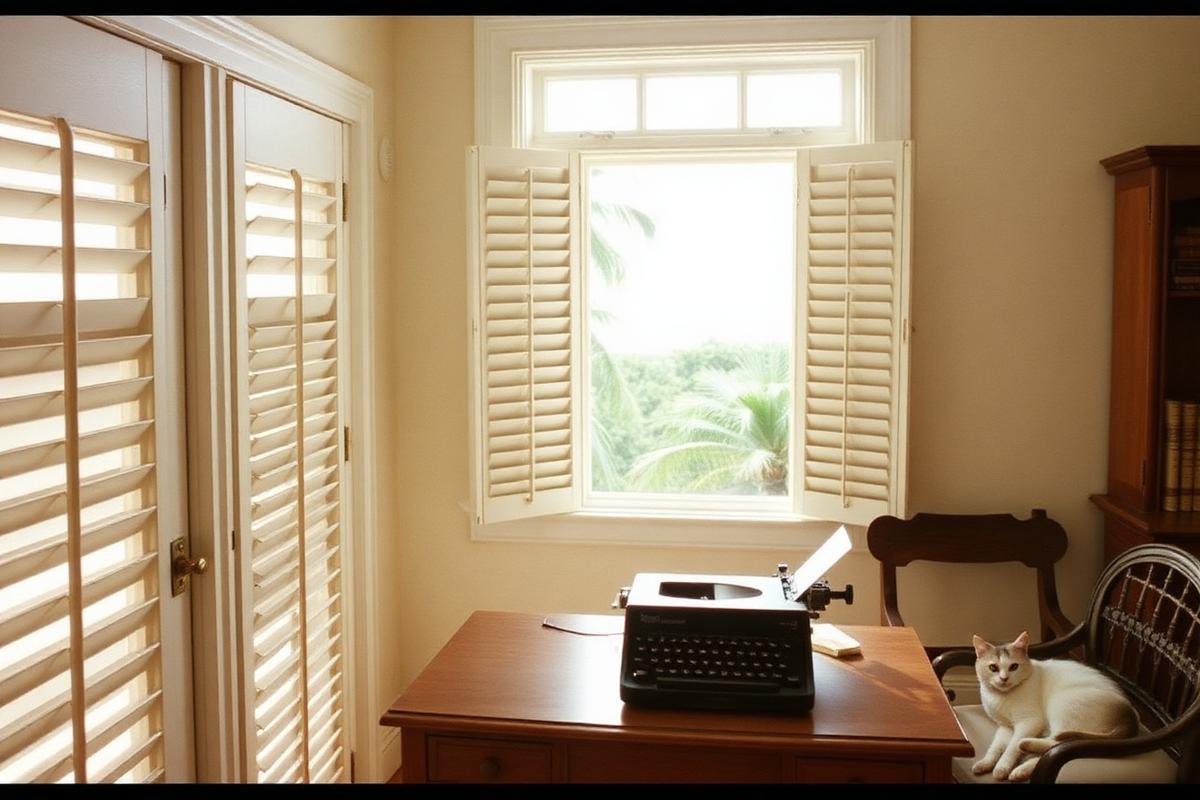
Above the carriage house, six cats deep, a typewriter and the morning heat — and a walkway built so the work would start before the day could interrupt it.
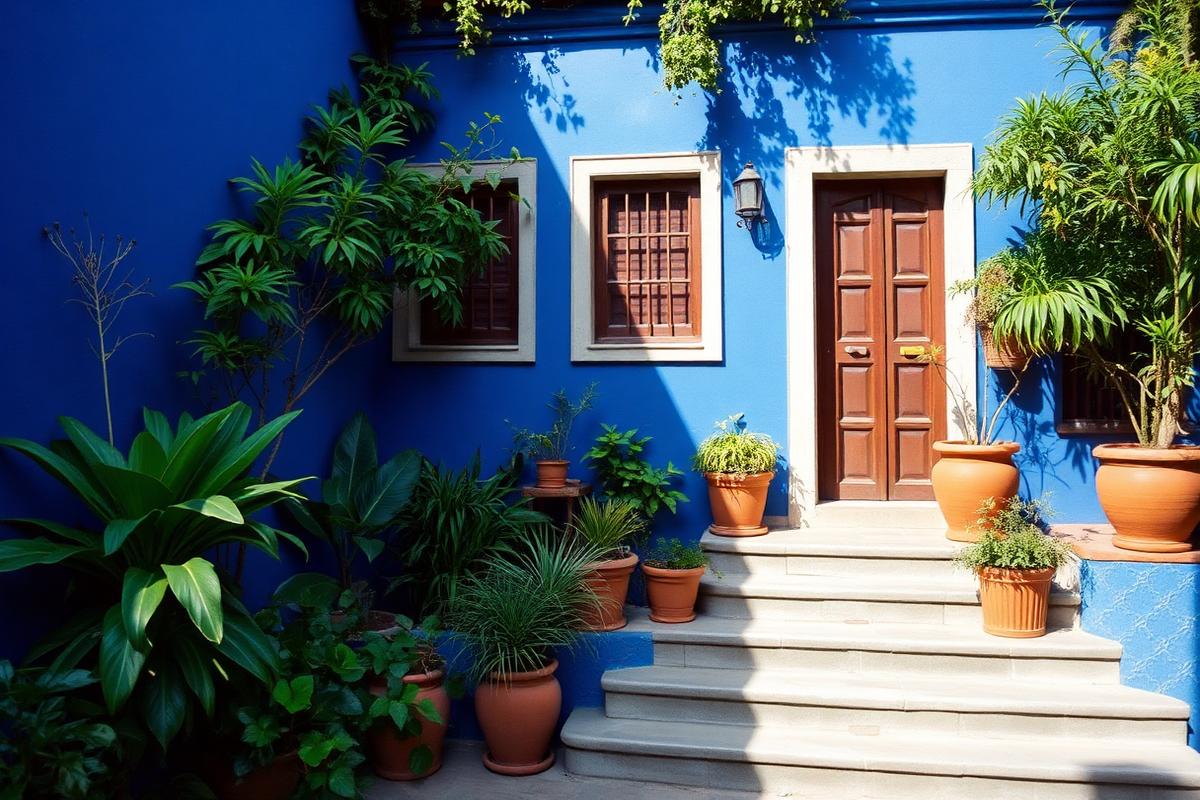
The blue walls she was born inside and died inside, fifty-two years apart.
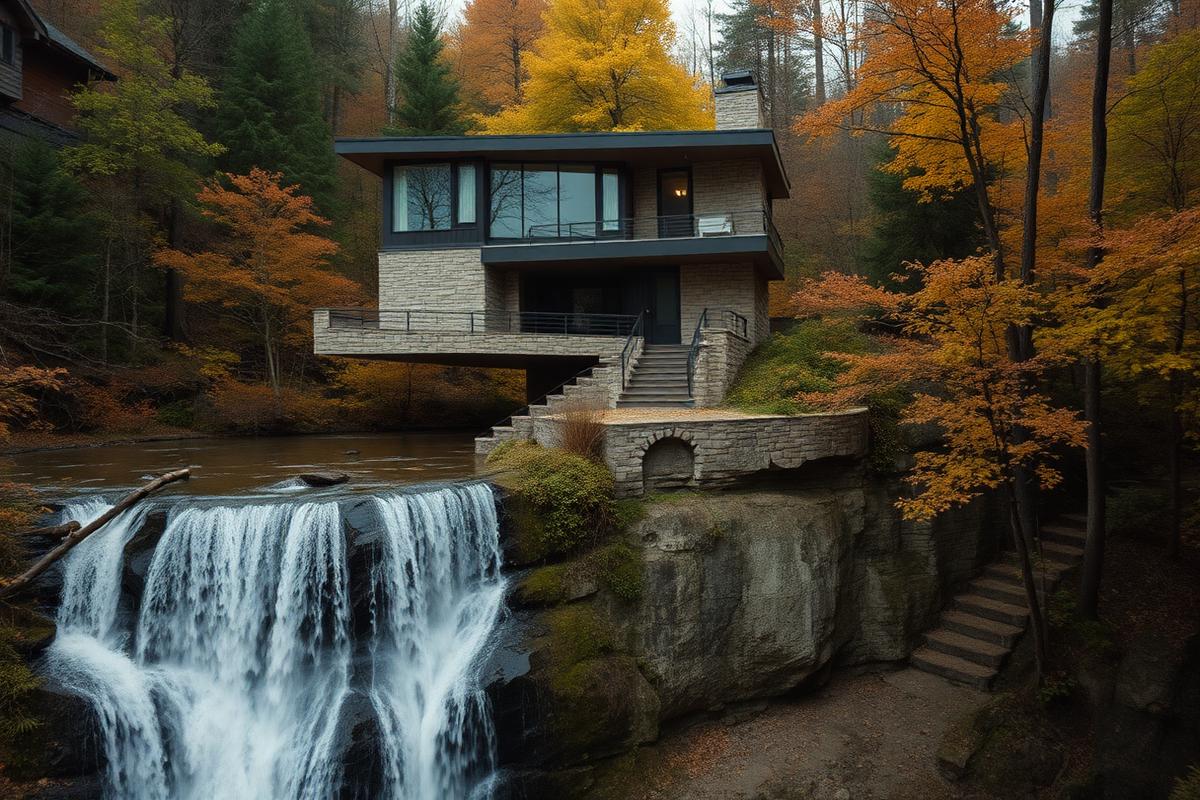
Fallingwater was a weekend house first. The Kaufmanns slept to the sound of it, complained about the damp, and kept coming back.
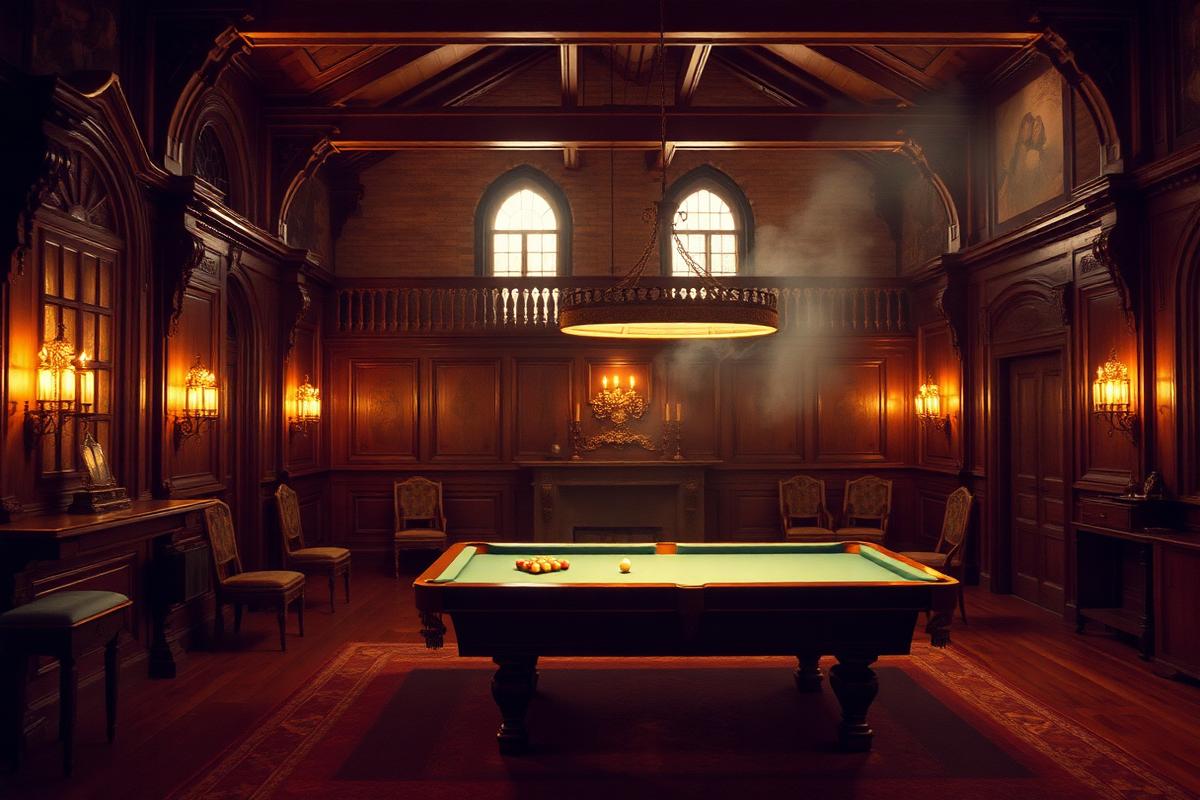
He wrote upstairs, between shots, with cigar smoke in the rafters — and called the seventeen years he lived there the happiest of his life.
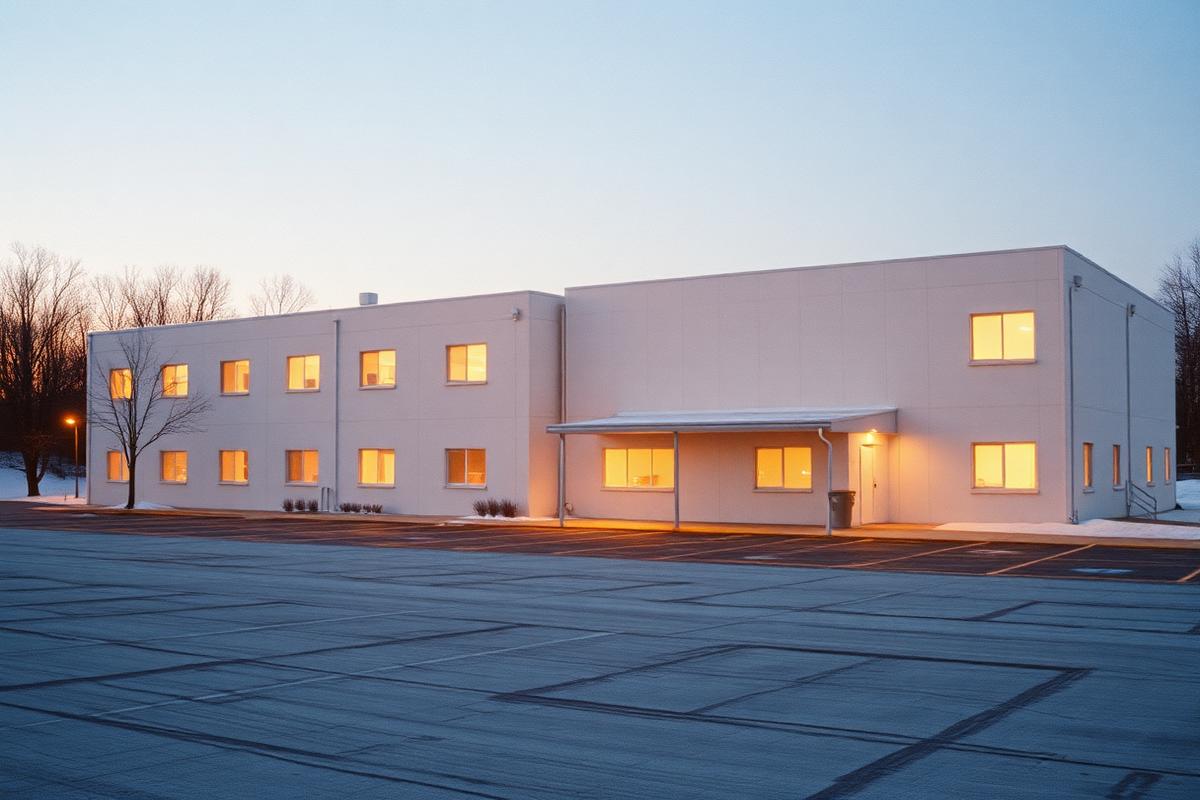
Lights on meant he was awake. The neighbors learned to read them.
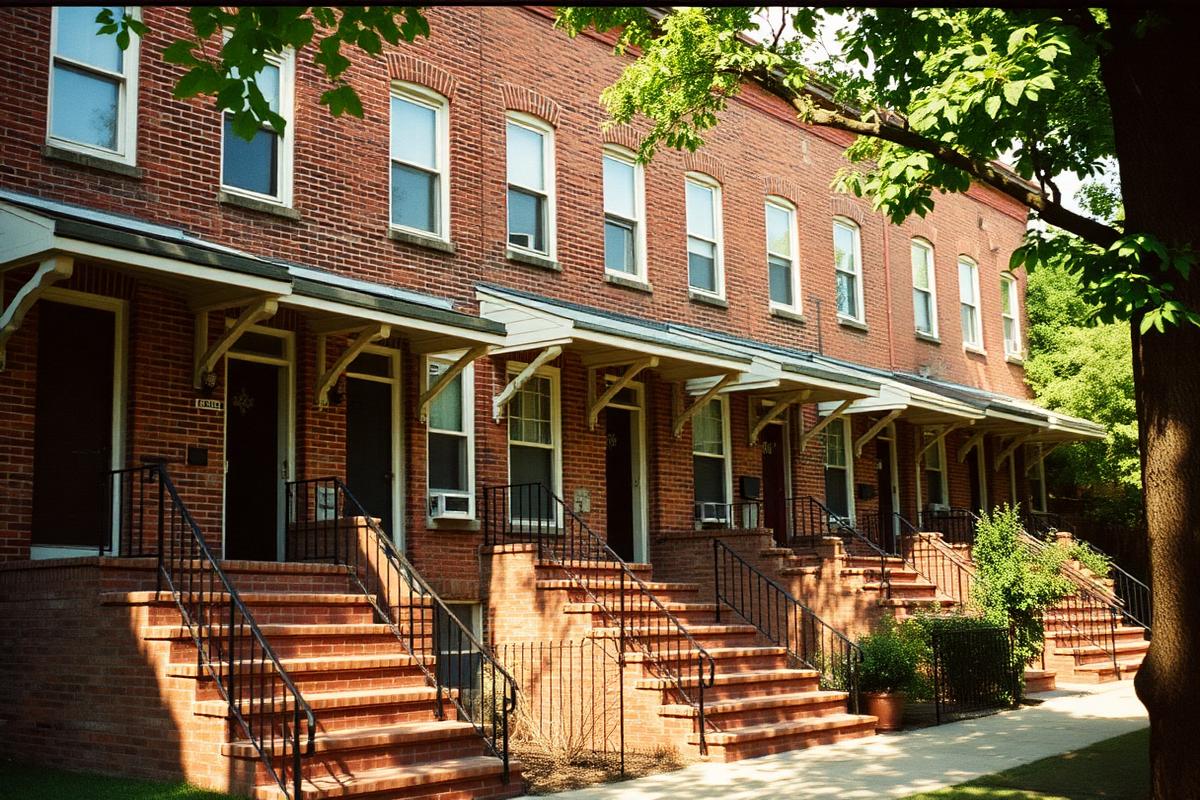
The biggest trumpet player in the world, a brick rowhouse, and kids on the stoop after school.
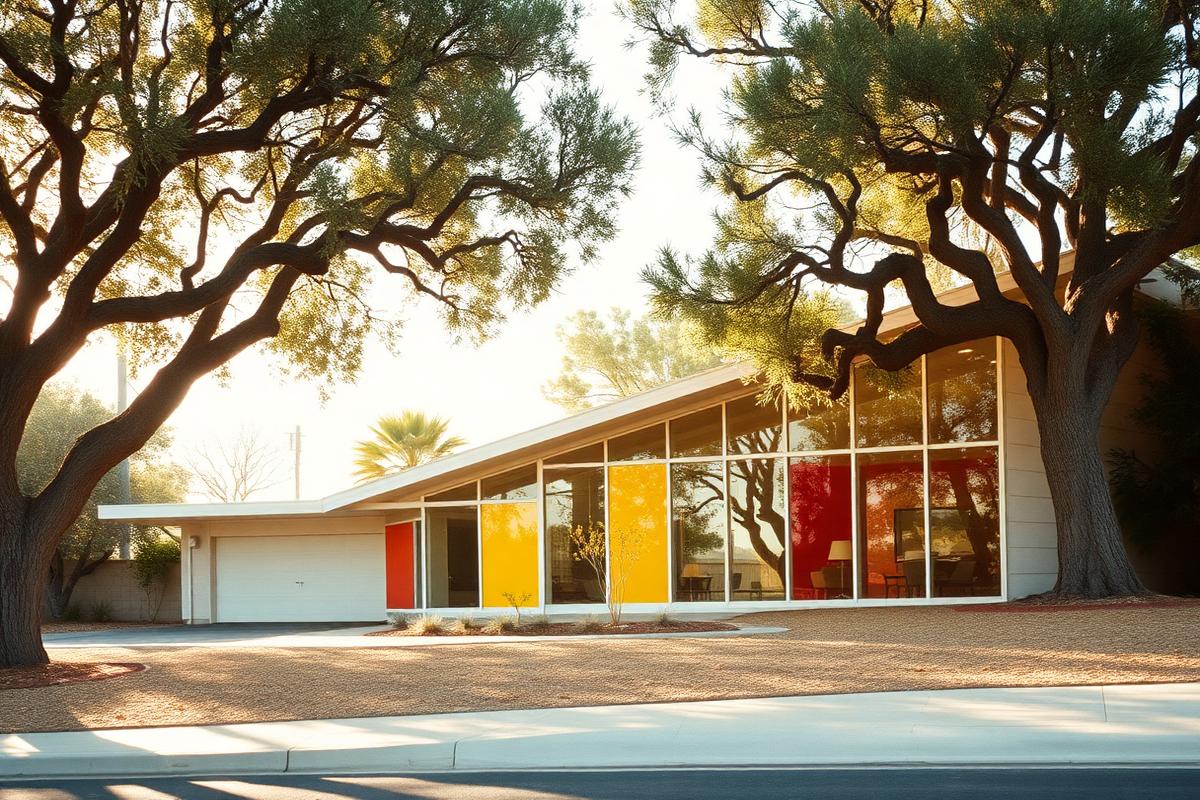
Case Study House #8 went up out of catalog steel in a matter of days, and then two people spent the rest of their lives filling it.
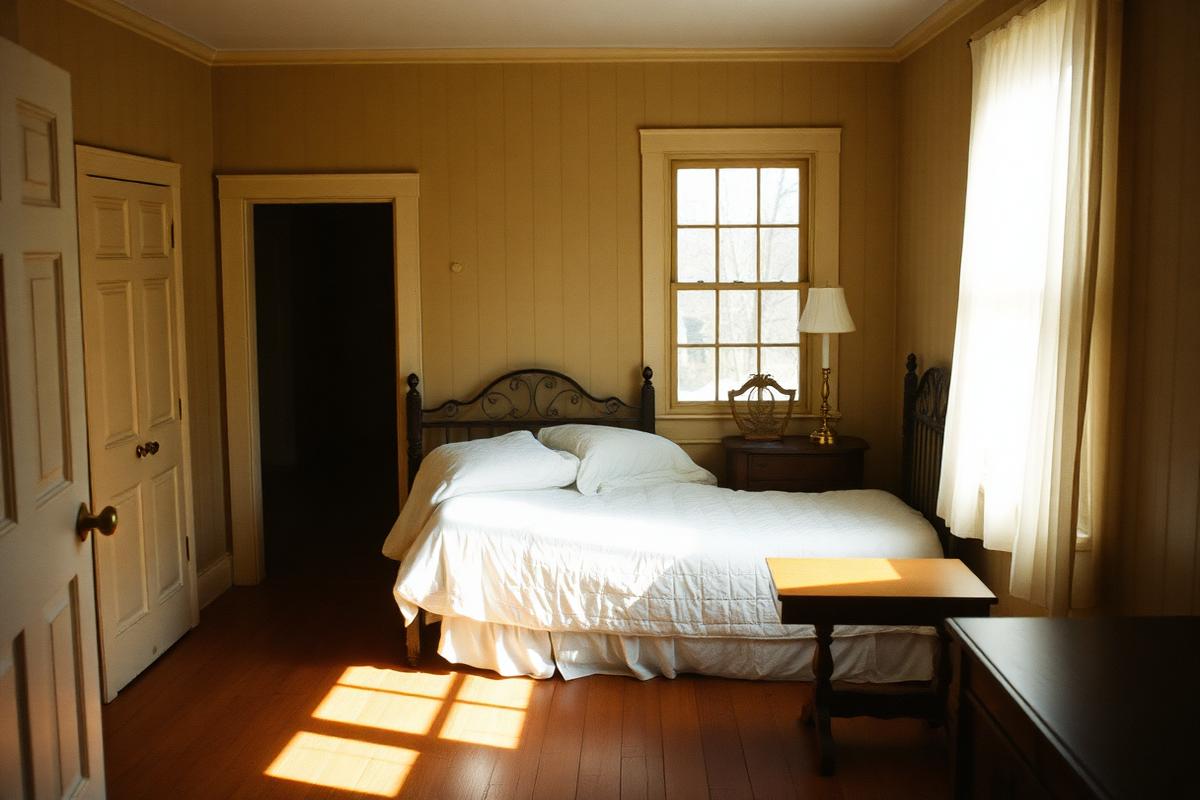
Nearly 1,800 poems written at a table the size of a tray, in a room with two windows and a locked door.
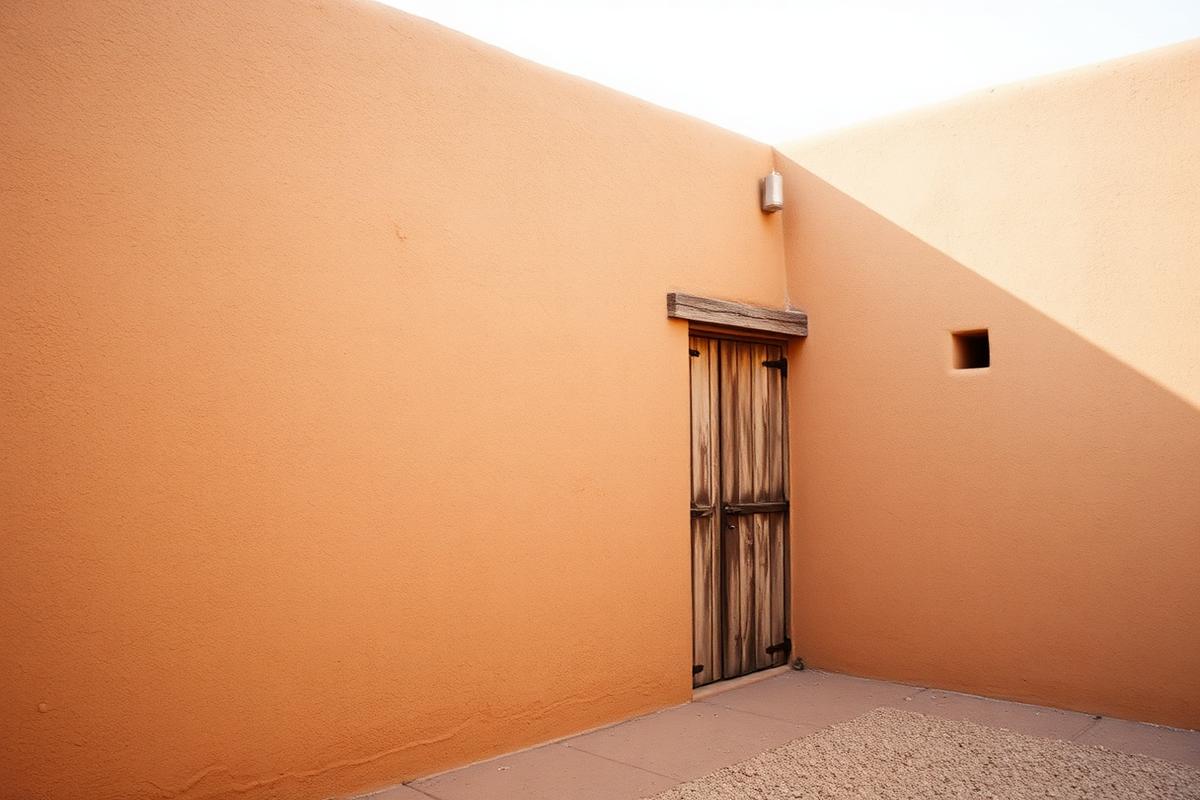
She bought the house for the patio door, then spent decades trying to get it right.
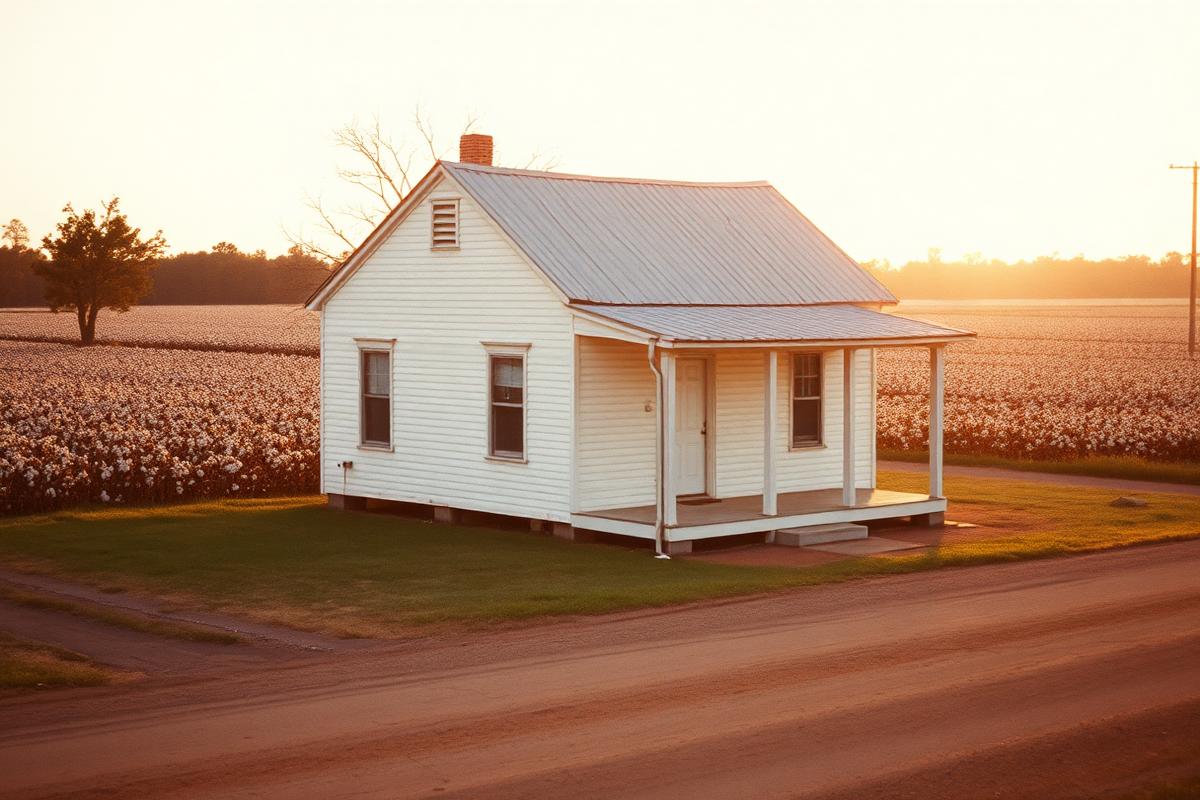
A New Deal farm colony house, cotton rows out back, a radio in the front room.
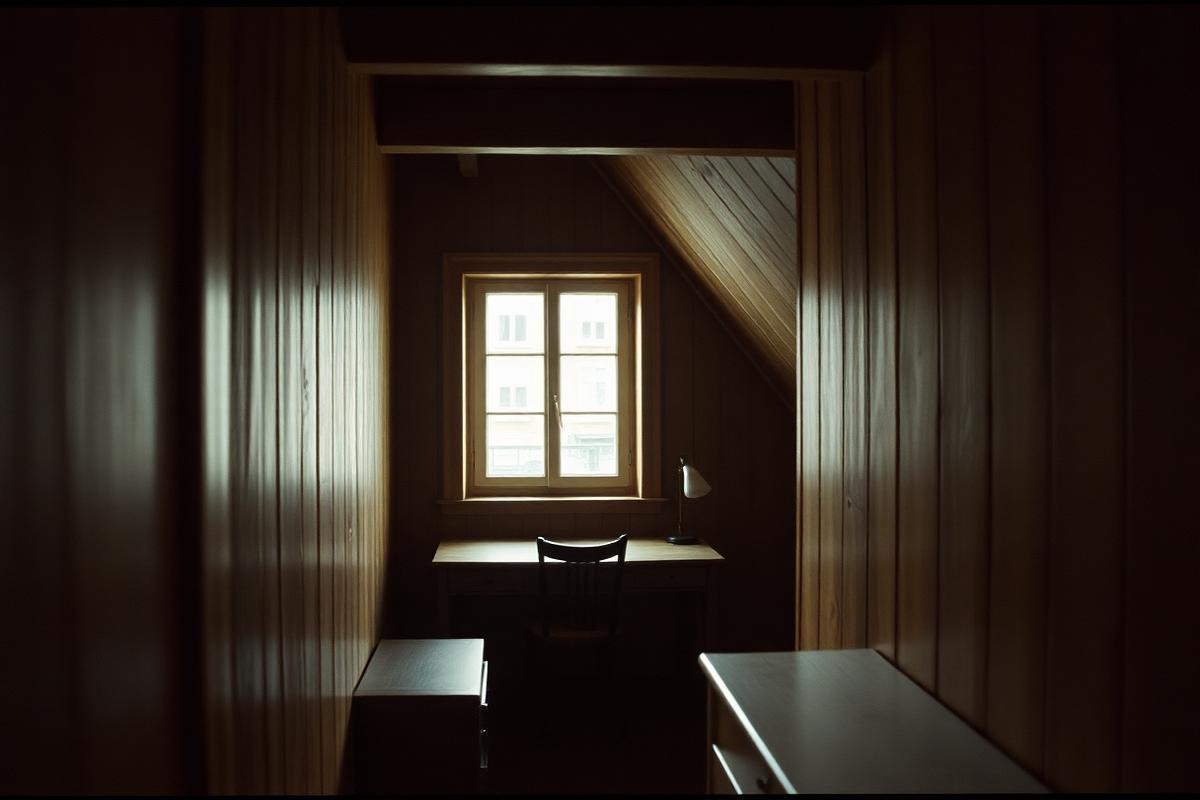
Eight people, 761 days, and a diary written at a desk by the window.
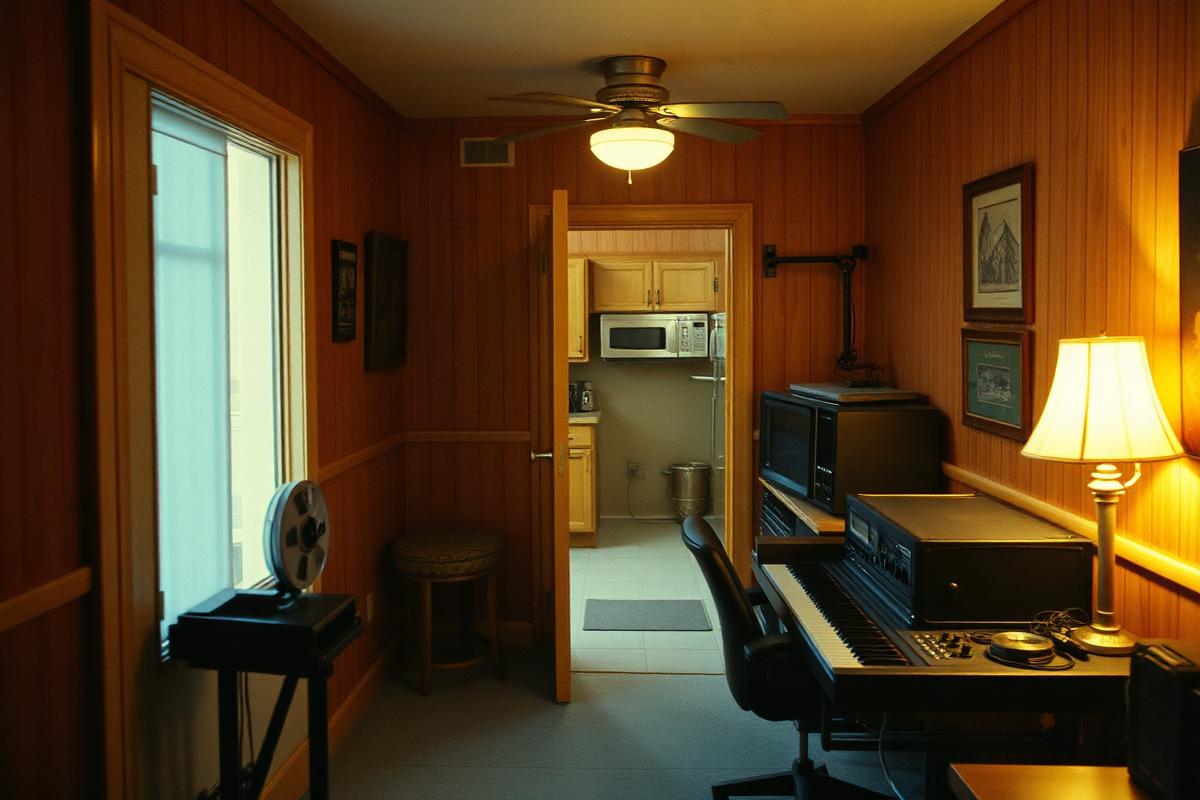
He walked to work in his socks. The tape machines ran until morning.
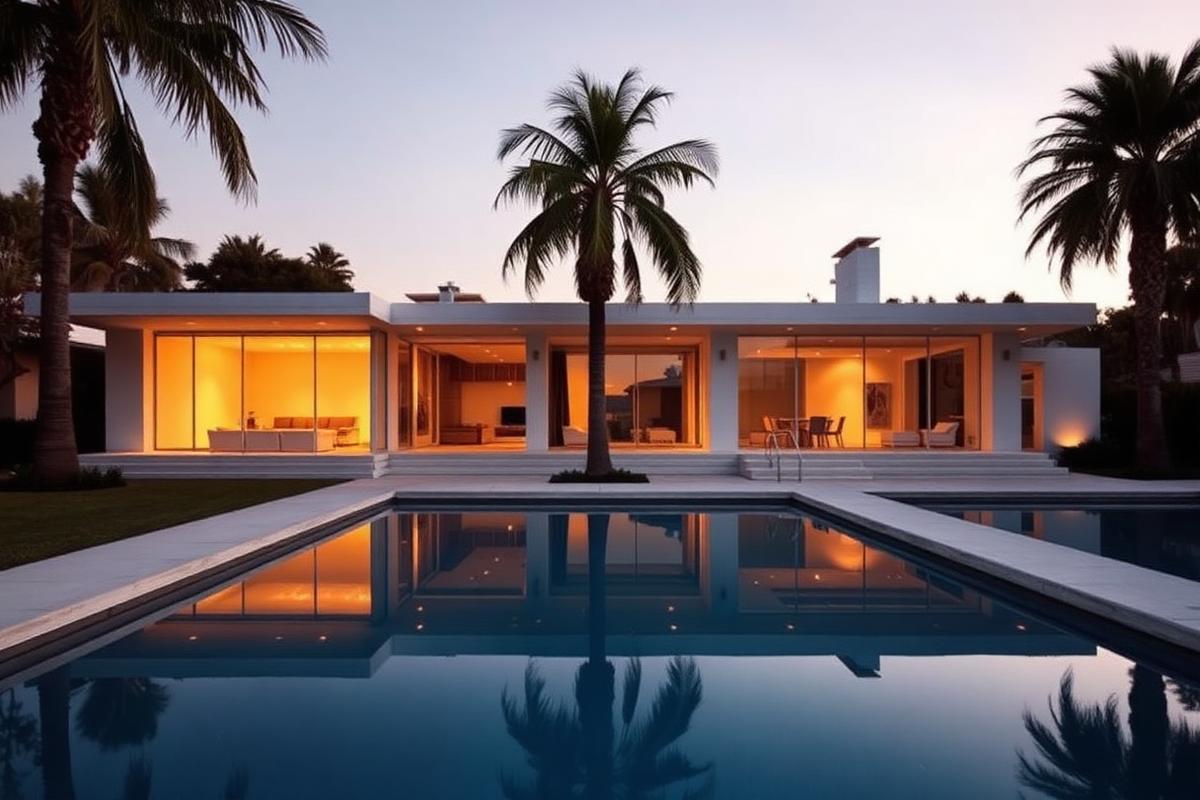
The VDL House was a laboratory the architect's own family had to live inside.
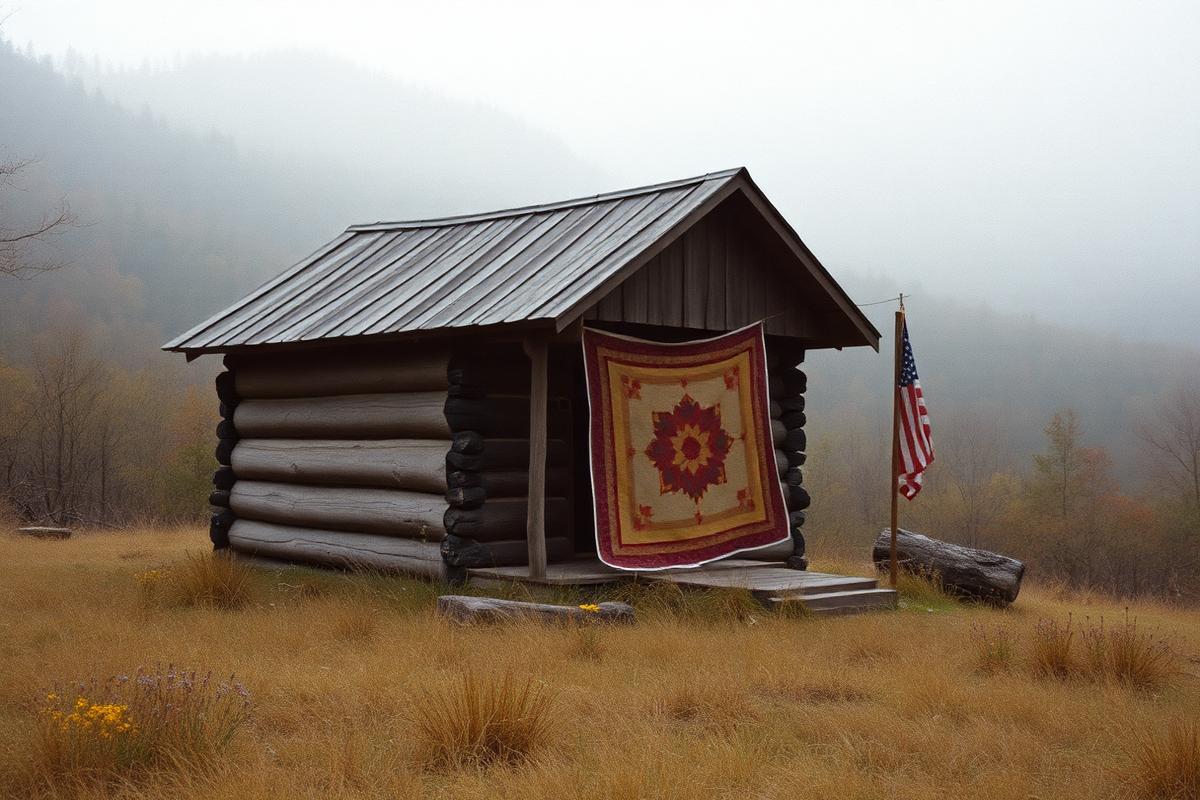
Twelve children, one room, and a mother who sewed rags into a song.
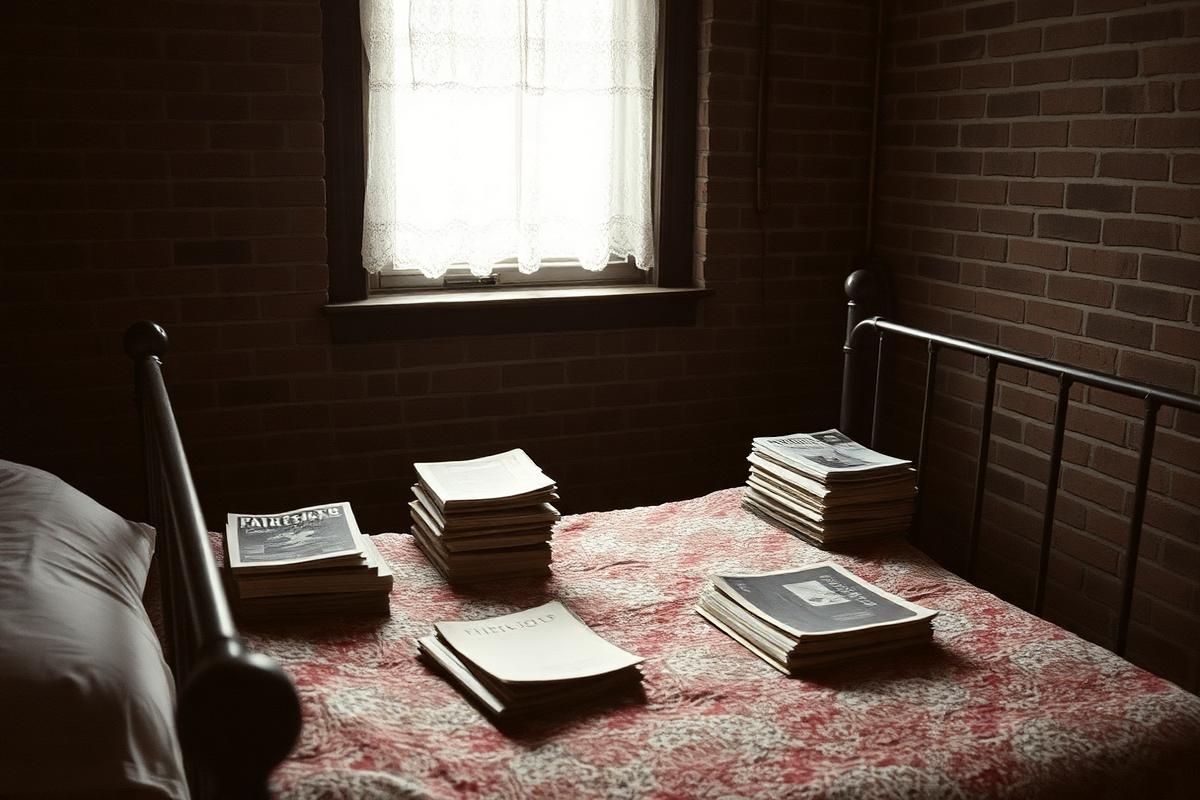
Months in bed with movie magazines and scrapbooks. The whole career starts here.
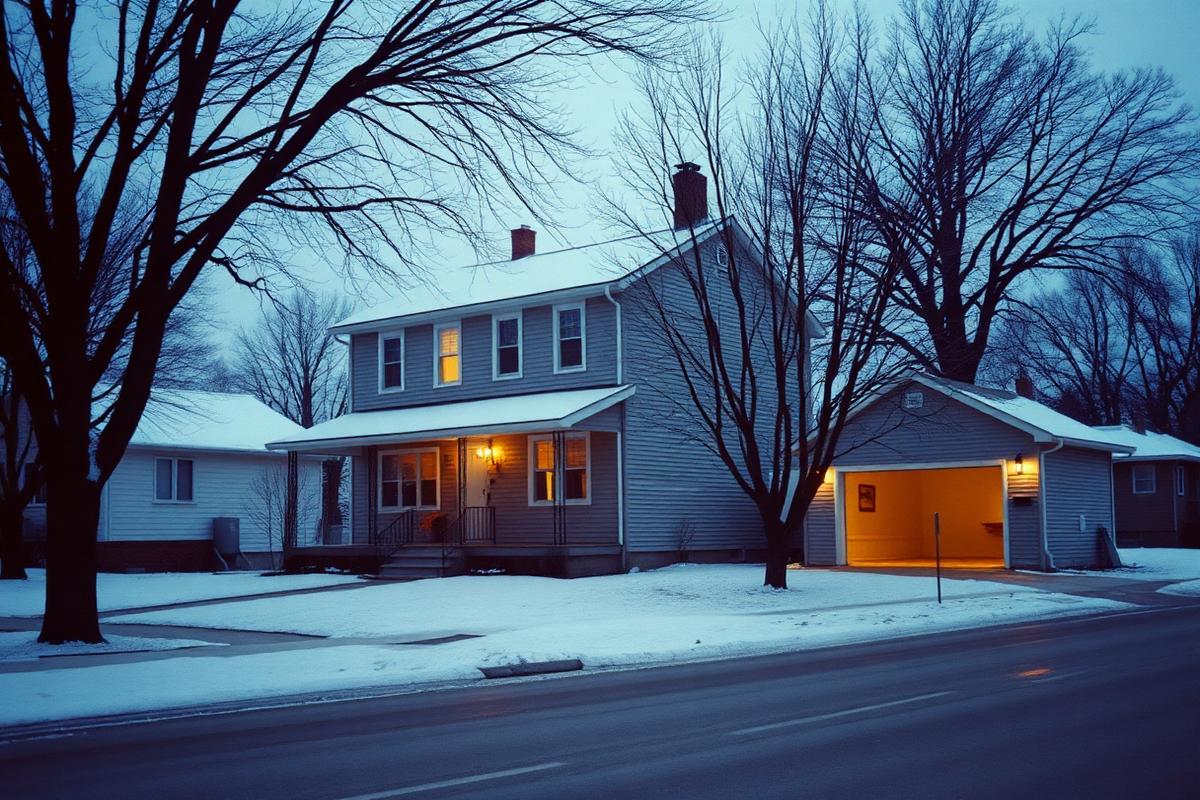
Mining town, upright piano, and a kid loud enough to get unplugged at the talent show.
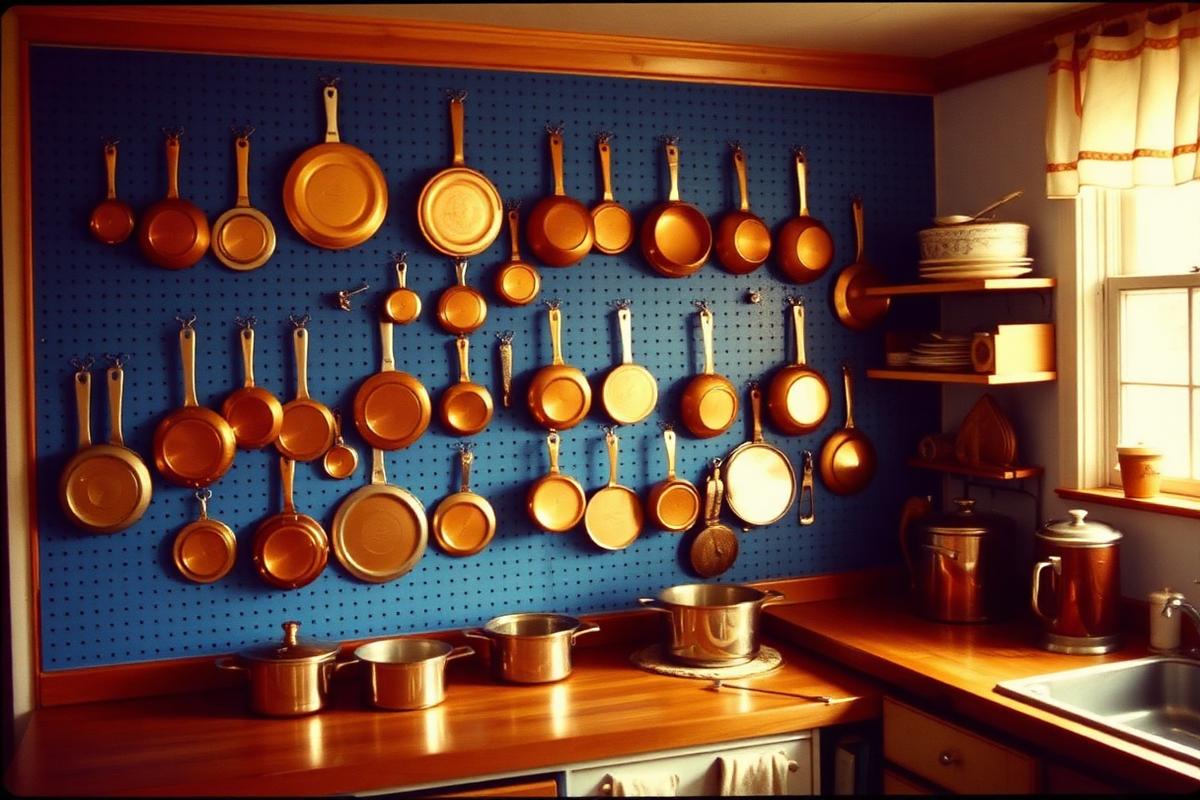
Every pan outlined in marker so it went back where it belonged.
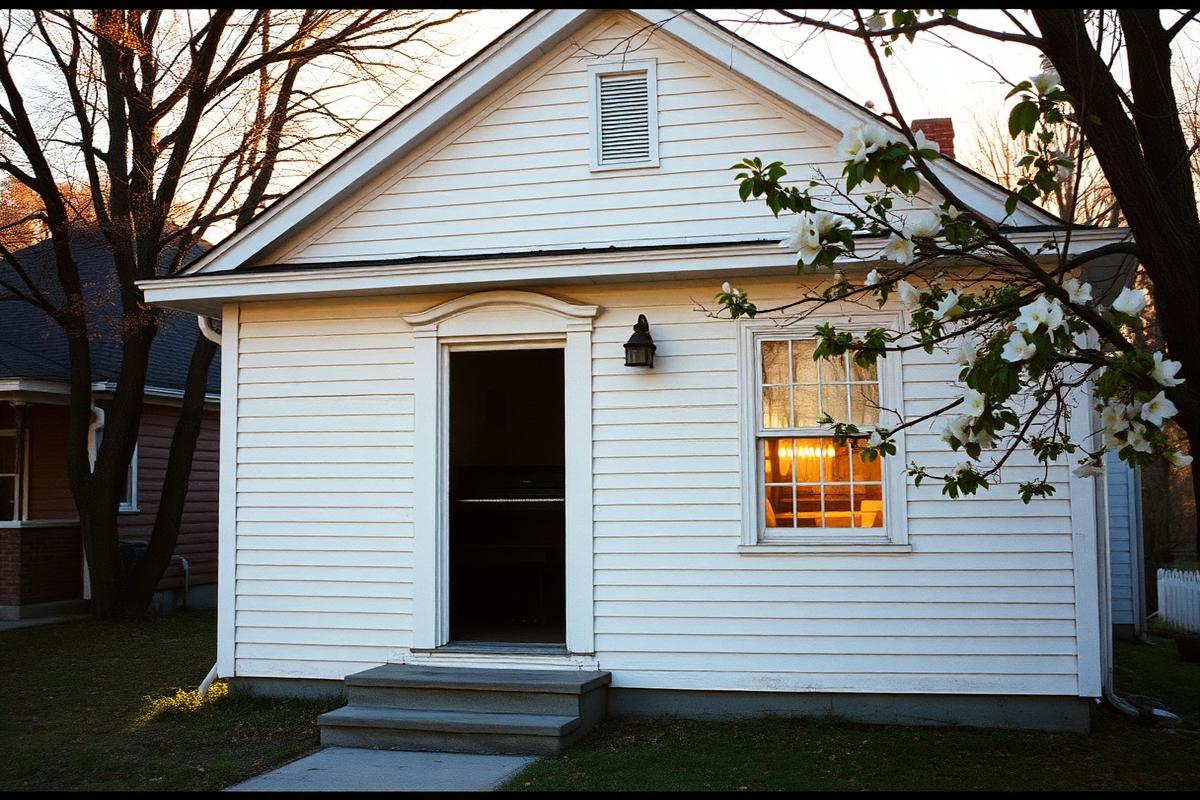
Three rooms, a clapboard house, and a town that paid for her lessons.

He spent forty years building it, tearing it down and building it again.

He enlarged it himself, from a modest farmhouse to the house on the nickel.
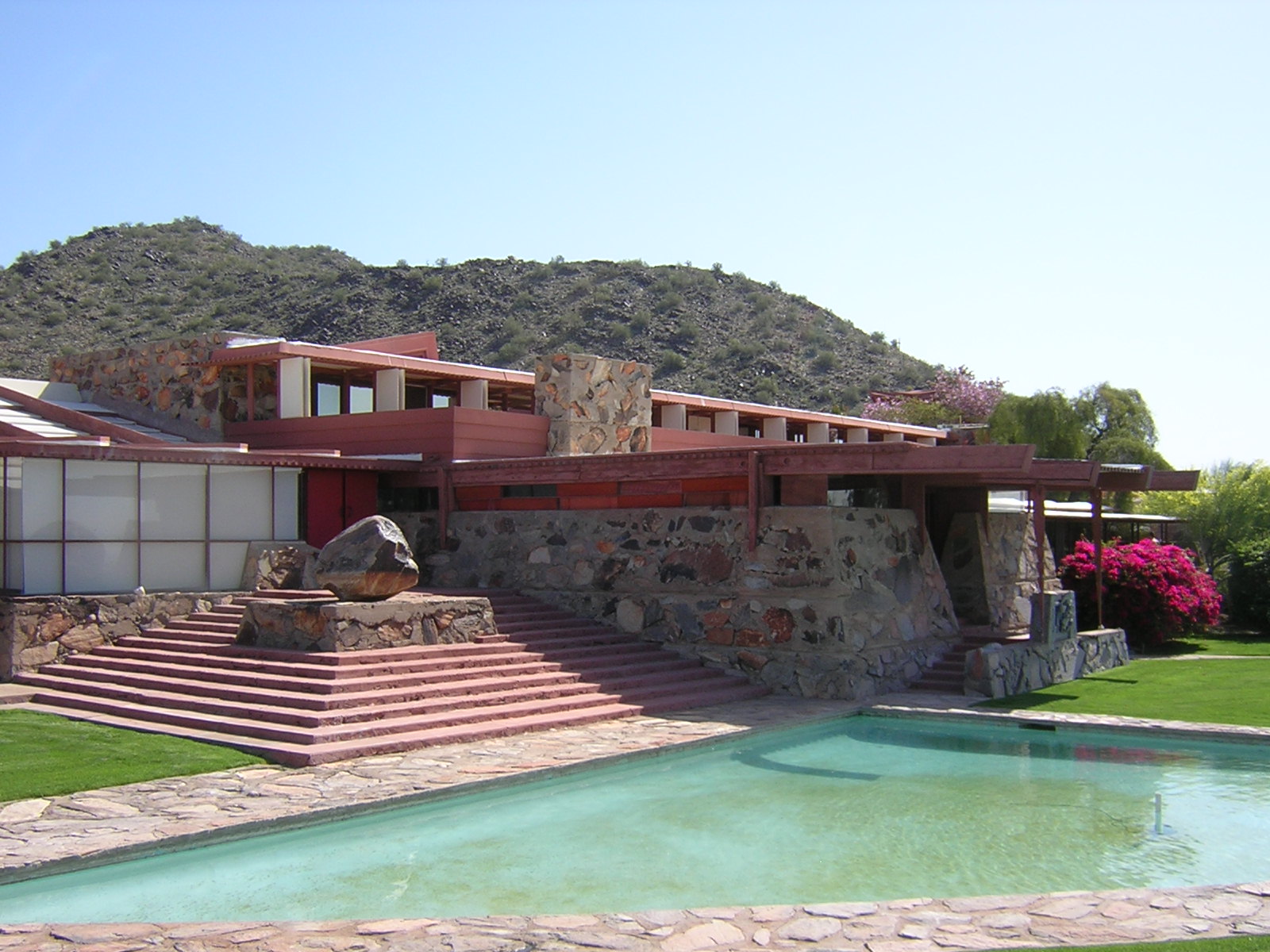
His apprentices built it by hand from desert rock and sand.

Four glass walls, one brick cylinder, and a view that was the wallpaper.

Every joint was hand-finished. Every lamp was designed for its room.

She wanted a theater colony. She got Wright's first Los Angeles house.

A man born enslaved bought a hilltop house with a view of the Capitol.

A Queen Anne house on Auburn Avenue, a block from his father's church.

His father built it with borrowed money. The family lost it three years later.

The March sisters' home was a real house with a real desk between two windows.

She wrote a book about decorating houses, then built one to prove it.

He wrote the outline of a novel directly on his study wall.

She lived in the same house for 76 years and wrote nearly everything there.

He asked for 'a little something' and his architect worked on it for 28 years.

250 rooms, and the family still owns it.
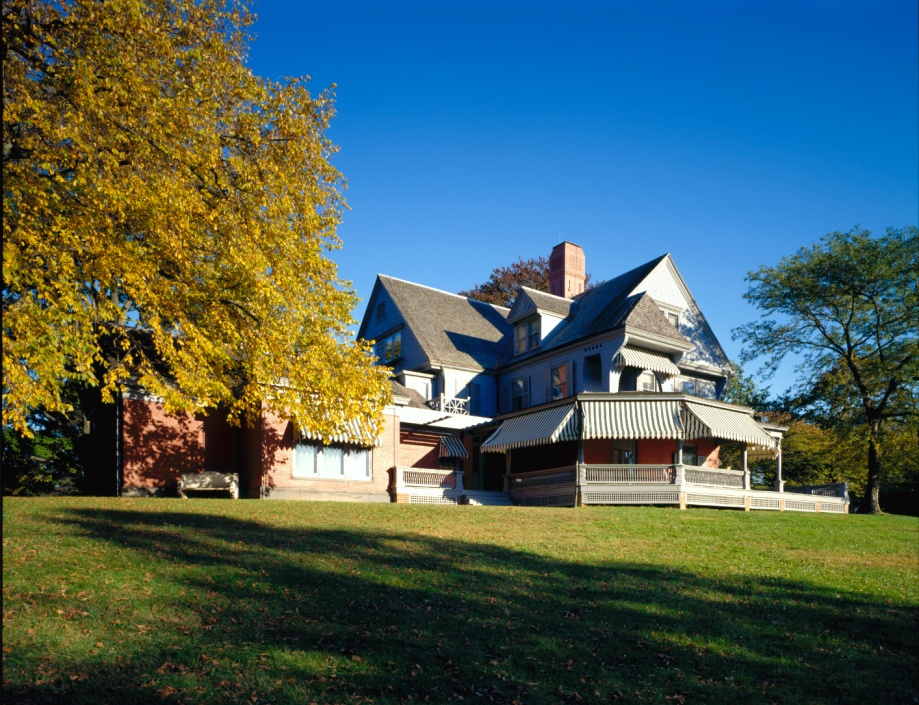
Six children, a lot of animal heads, and a porch where presidents made history.

He bought it for $1,200 and left it to become president.

Mark Twain was her next-door neighbor.

His lab was down the hill. His thinking chair was at home.

Low roofs, long bricks, and a family that barely lived there.

A glass floor raised above a flood plain, and a very public lawsuit.

He mixed German modernism with clapboard and fieldstone.

A boulder sits inside the living room. He left it there on purpose.

The thatched farmhouse where Shakespeare came courting.
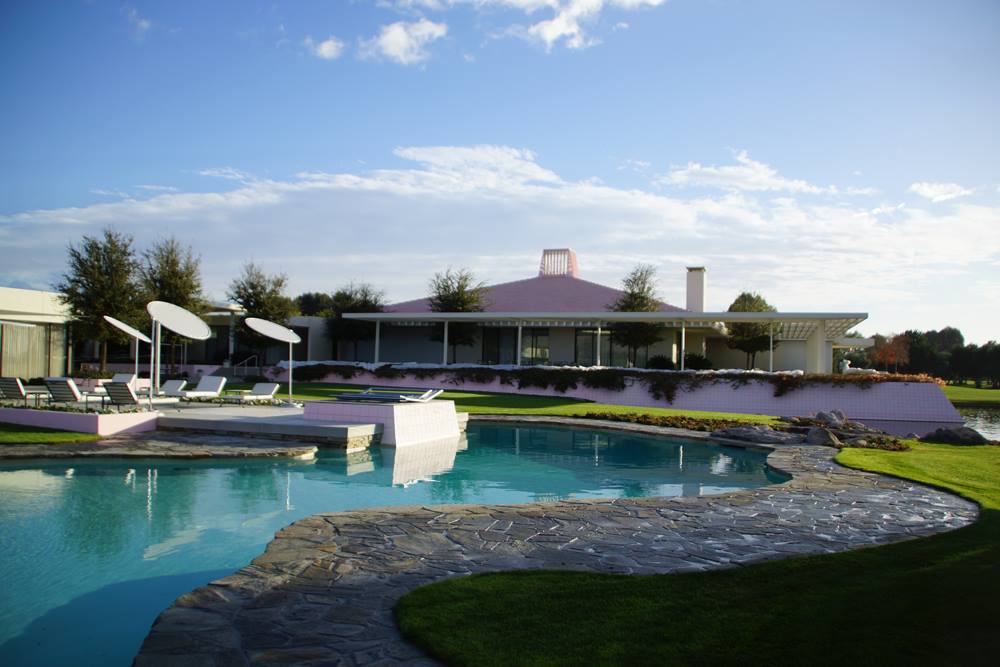
Presidents came for New Year's Eve. The pink roof was the Annenbergs' idea.

A piano-shaped pool and two palm trees that told neighbors the party was on.

A family bought a lot everyone said was unbuildable.

An aerospace engineer's house on a slope nobody wanted.

They slept in rooftop 'sleeping baskets' under the stars.

Blade Runner filmed here. So did dozens of others.

Sleeping porches, sunlight, and the first steel-frame house in America.

Months after the family moved in, a tragedy happened inside.

She called it Formosa, and it was a meeting place for Texas.

A bank teller, a young family, and a humor weekly written in the back room.

A president's plantation, and the people enslaved there.
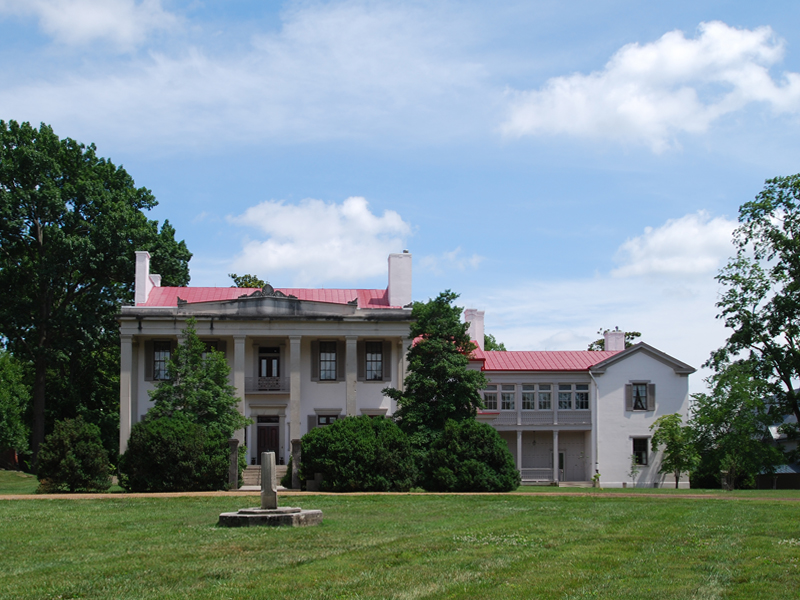
A Greek Revival mansion at the center of American horse racing.

One of the richest women in America built it for summers.

She kept building for 36 years. The stories grew even faster.

The most famous unsolved murder in America happened in its sitting room.

A Queen Anne house full of relatives, music and a doctor's office.

He hauled granite from the beach and built a tower for his wife.

His dream house burned before he could move in. He wrote in the cottage instead.

Jane Eyre, Wuthering Heights and Agnes Grey — written at one dining table.

He painted the garden he planted, for 43 years.

A glove-maker's house, and the boy who grew up in it.
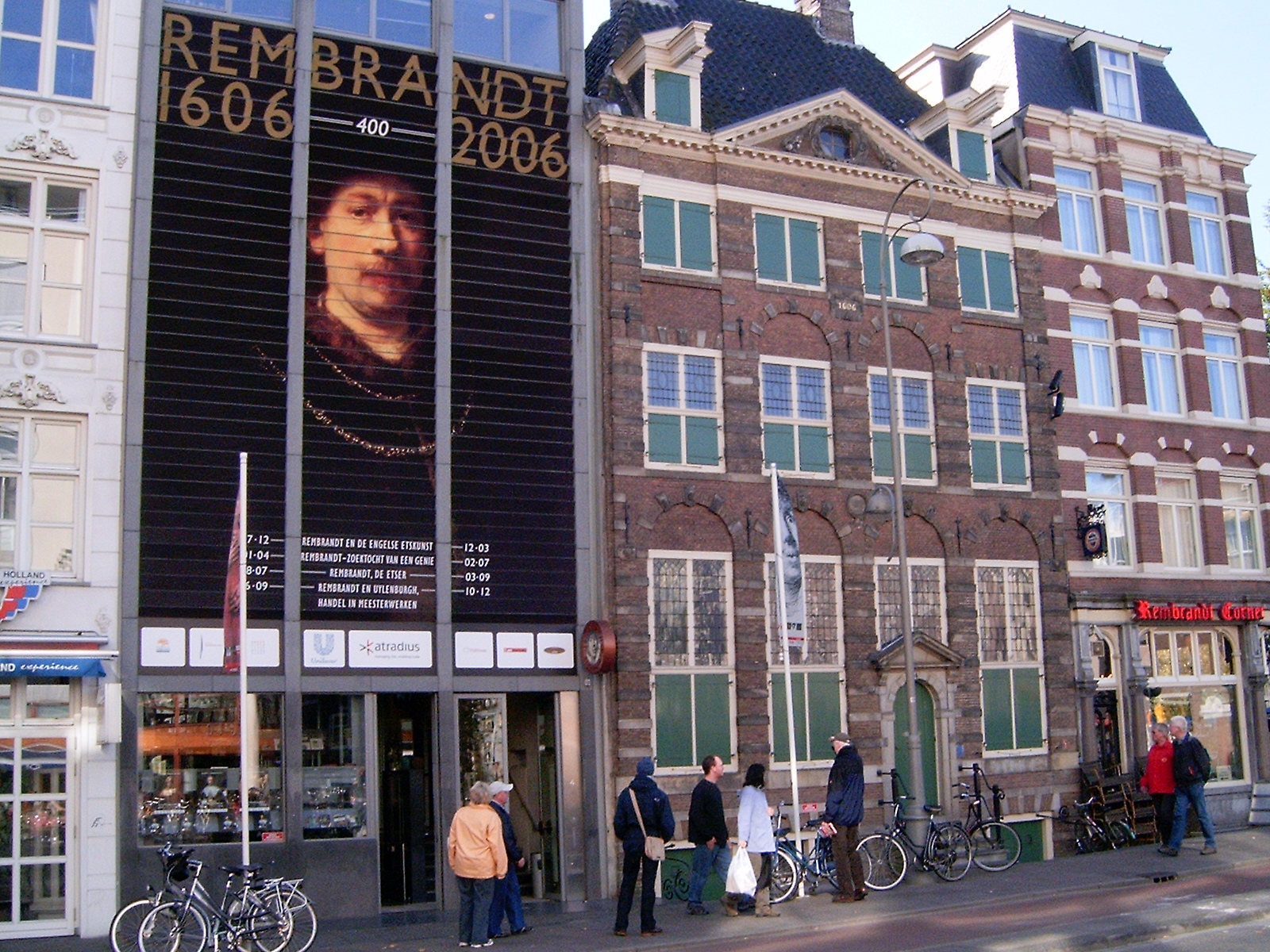
He couldn't afford it. He bought it anyway.

A family hired Gaudí to renovate. He turned their home into a dragon.

A general's headquarters first, then a poet's family home for 45 years.

He wrote standing up, next to thousands of books and dozens of cats.