Lucille Armstrong bought the house in 1943 while her husband was on tour. He arrived at night, assumed he had the wrong address, and rang the bell of what he thought was a stranger's home.
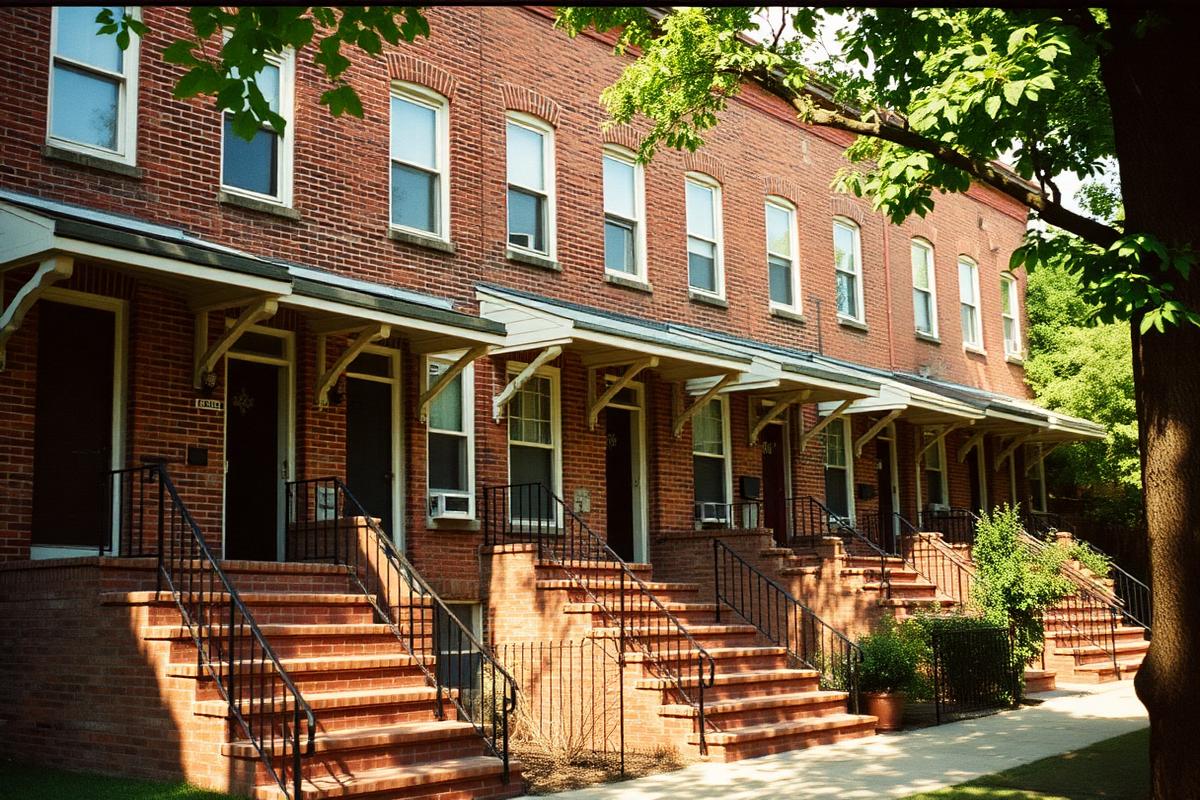
They never moved. He could have lived anywhere; he stayed on a working-class block in Corona for twenty-eight years, kept the same neighbors, handed out ice cream money, and practiced with the window open.
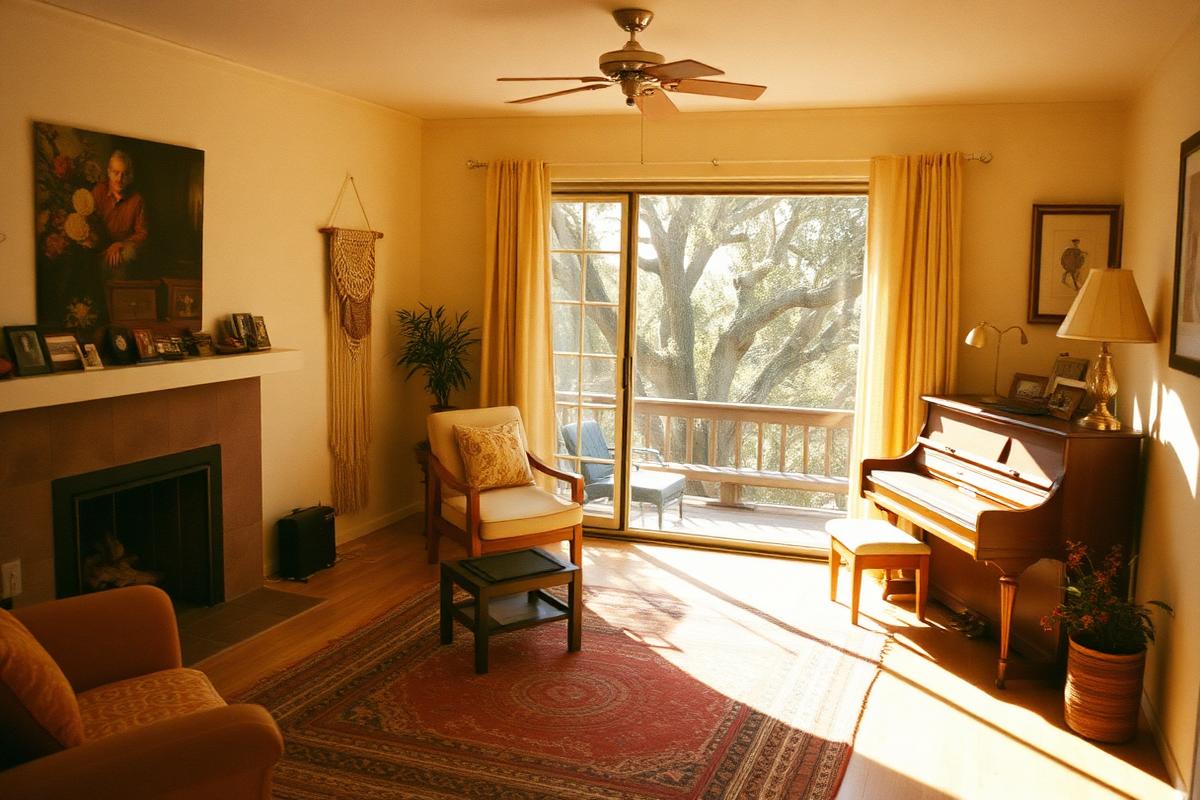
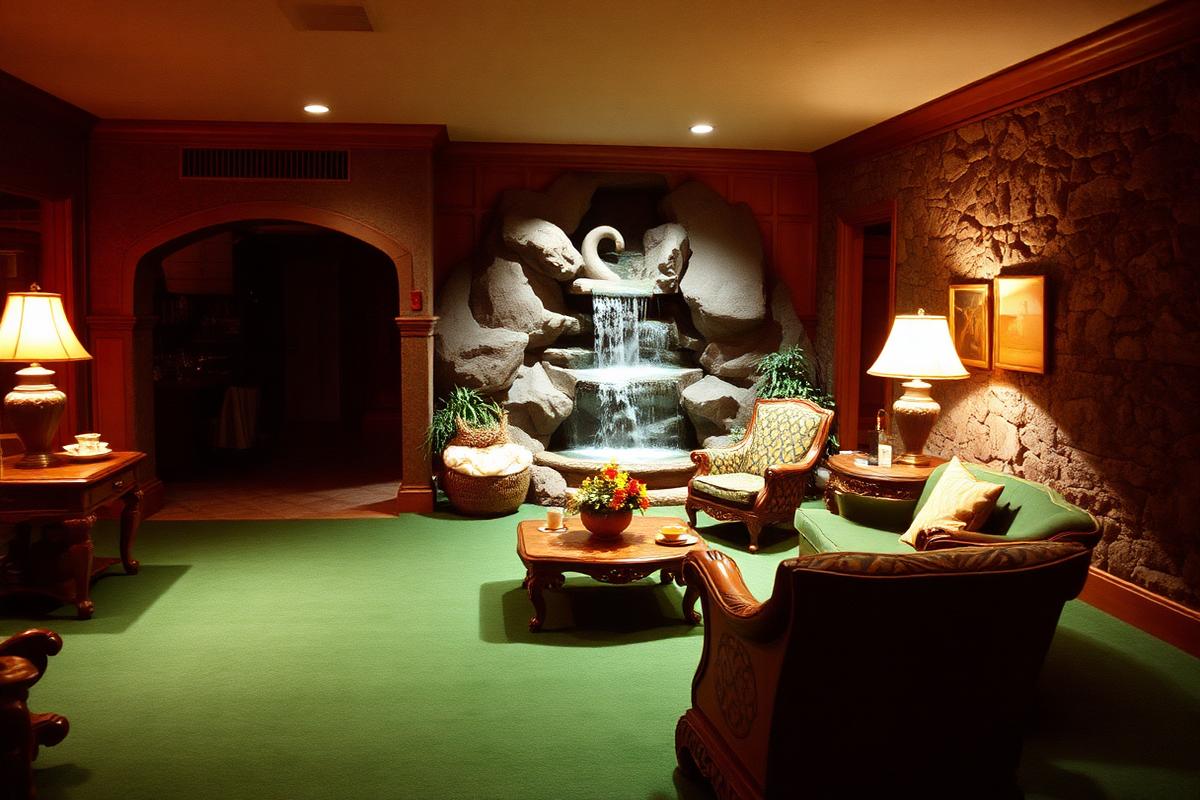
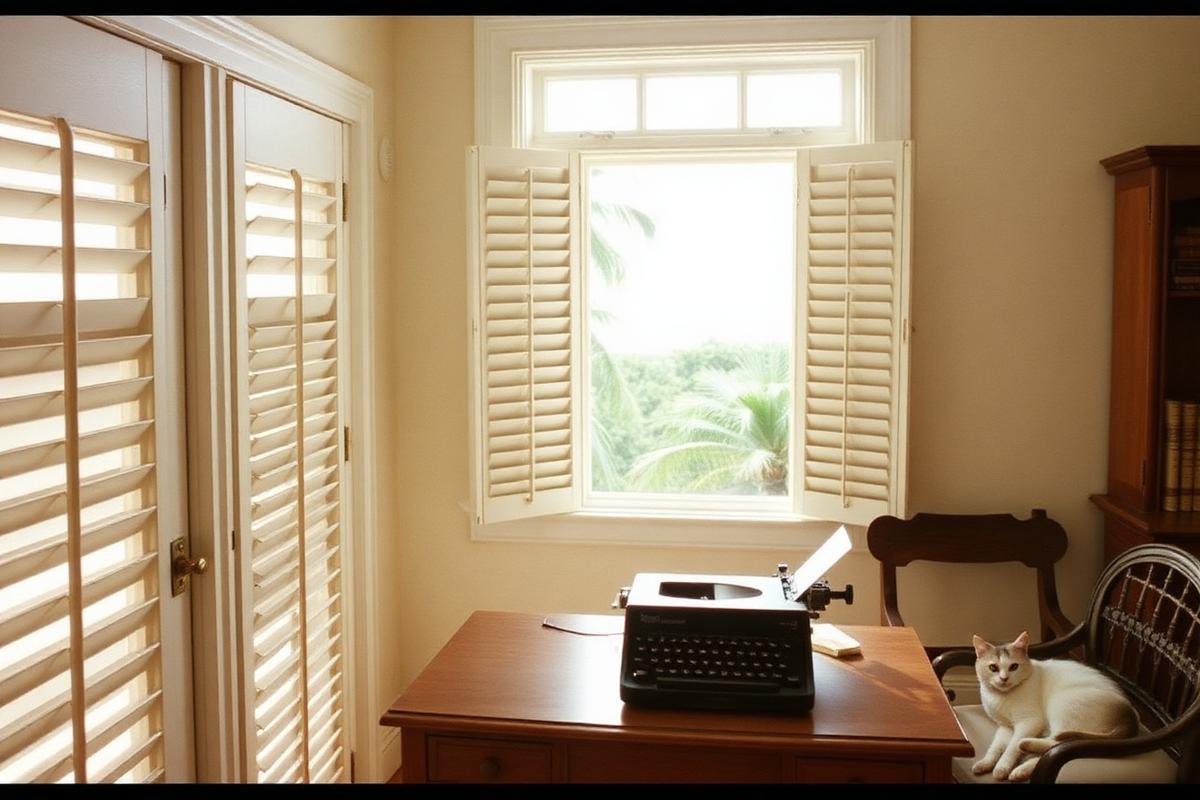
The interiors are largely untouched — the turquoise kitchen, the reel-to-reel decks, the collaged tape boxes he made himself. It is the rarest kind of historic house: one nobody bothered to renovate into significance.
Memories attached to this place
“He'd sit on the steps in his handkerchief and talk to whoever walked by. No security, no fuss.”
“You could hear the horn from the corner. Nobody ever called it noise.”
“Mrs. Armstrong kept the stoop swept better than anyone on the street.”
Timeline
- 1943Lucille buys the house while he is on the road.
- 1950sHome tape recordings begin; hundreds of reels survive.
- 1971Dies in the second-floor bedroom.
- 2003Opens as the Louis Armstrong House Museum.
Staying put is its own kind of legacy, and the block remembers it best.